
The Complete Natural Wonders Bucket List: 10 Phenomena to See in Your Lifetime
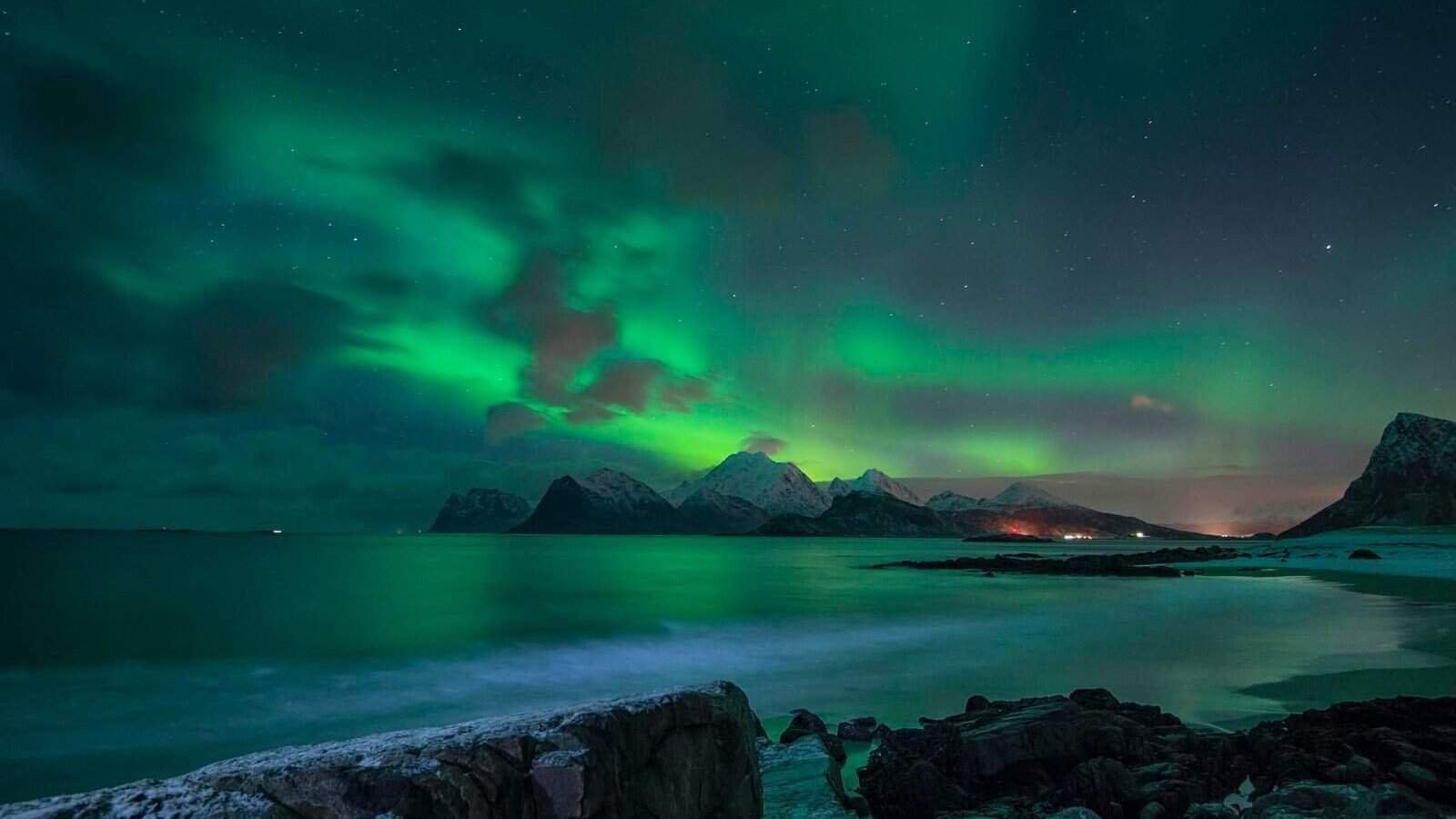
Less than one in ten people will ever see three of Earth’s biggest natural wonders, says a recent travel poll. I was blown away when I heard that number! Being right there in front of nature’s wildest sights? It hits deep – those seconds change how you view the world, even your place in it.
I’ve put in countless hours hunting down these moments, yet here’s the truth – they’re worth every effort, penny, and jetlagged morning.
This full lineup list isn’t only filled with scenic views; instead, it focuses on raw events that spark deep feelings you’ll carry forever.
In this guide, I’ve narrowed down the ultimate natural wonders bucket list to 10 truly exceptional phenomena, judging them by originality, visual impact, or simply how much shock they bring when you see them live. Plus, I’ll share the practical details you need to actually experience these wonders yourself – because a bucket list should be for crossing things off, not just dreaming about!
The Northern Lights (Aurora Borealis)
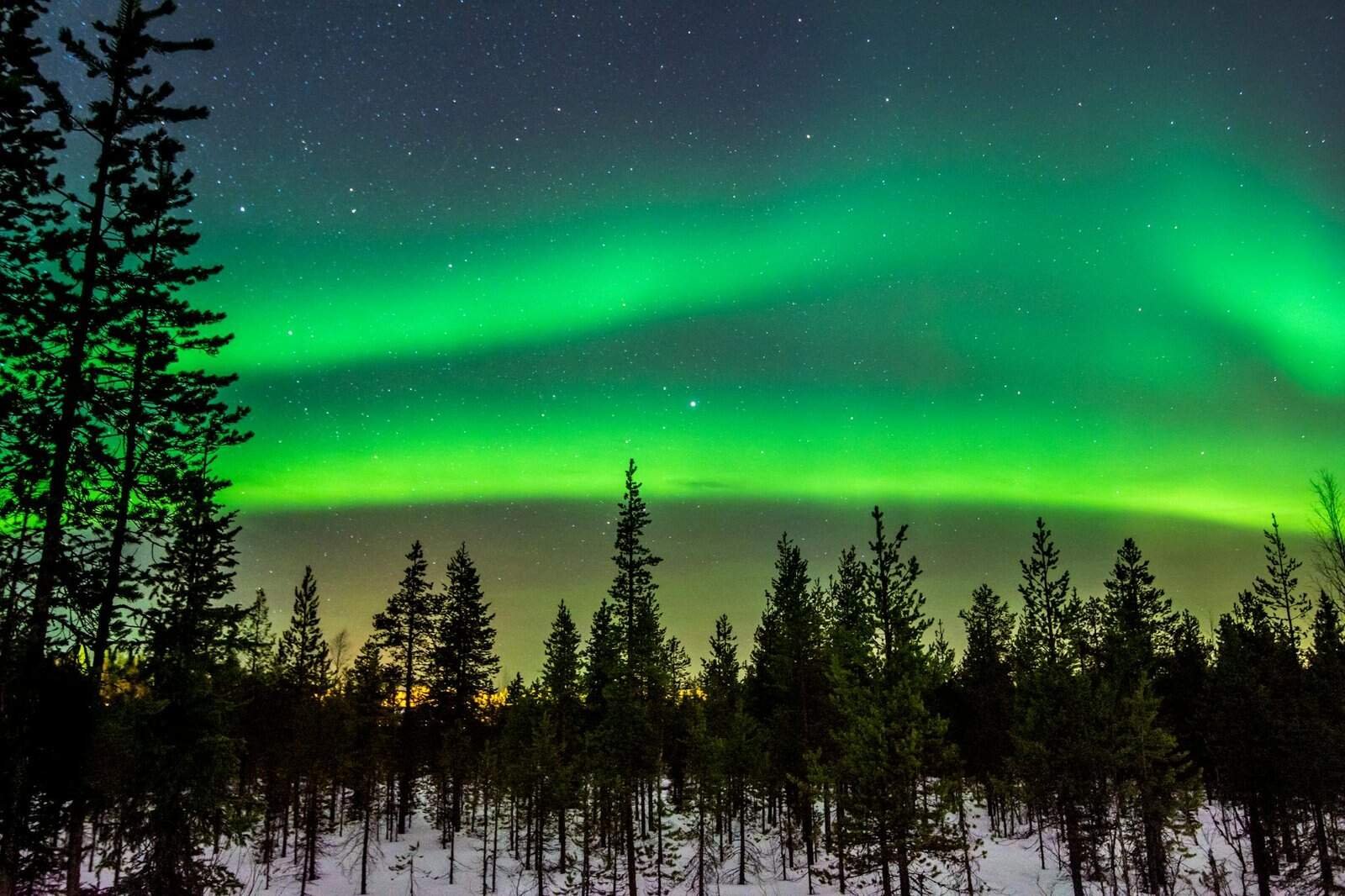
The first time I spotted those shimmering lights dance across the sky, I actually cried. No picture ever shows what it feels like to stand beneath ribbons of green, purple, and blue light swirling in a silent, cosmic ballet. This is one of those natural wonders that transcends description. It’s no wonder ancient cultures believed these were spirits or gods.
To see this stunning show, go up near the Arctic Circle. Focus on the “aurora belt” through Alaska, northern Canada, Iceland, and northern Scandinavia.
Timing is everything! Plan your trip between September and March when dark skies dominate these northern regions. January and February typically offer the longest nights. Check aurora forecasts using apps like My Aurora Forecast or websites like the Space Weather Prediction Center. I’ve learned that patience is key – clear skies, a bit of luck, and a sense of awe make all the difference.
Climate change and rising solar activity may make auroras more frequent and visible farther south than ever before.
When photographing the lights, pack a tripod; set your camera to manual mode using ISO roughly 1600 to 3200, an f-stop from f/2.8 up to f/4, along with exposure times lasting 5 through 15 seconds.
Across northern regions, numerous native groups view the northern lights as full of significance – sometimes interpreted as a link connecting our world with the unseen realm.
The Grand Canyon
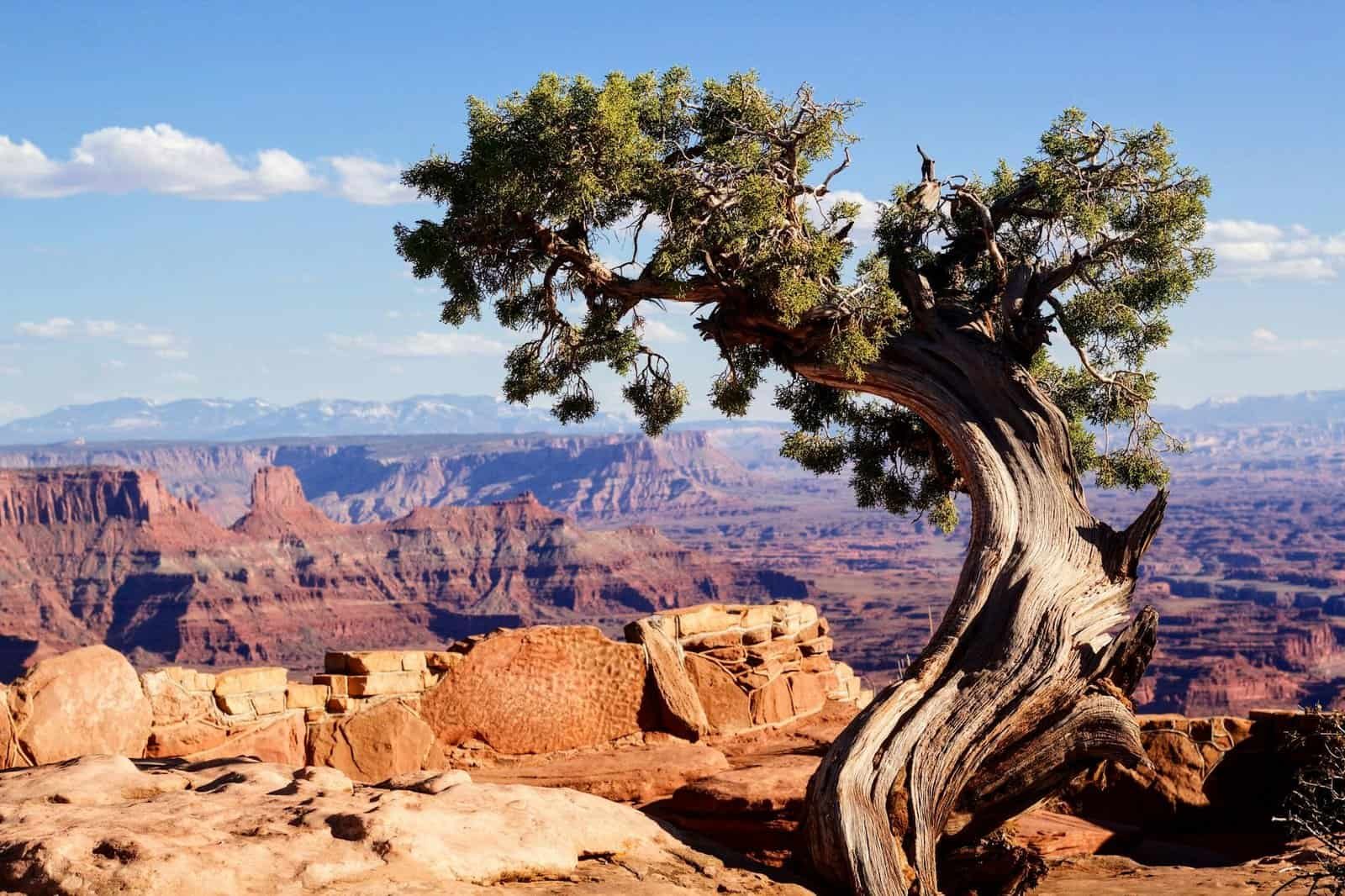
I thought I’d be ready for the Grand Canyon. After all, I’d looked at tons of pictures, sat through films, done everything you could. But when I got to the edge, my head just froze – couldn’t make sense of how huge it really was. That’s what makes this place special – not even imagination comes close to matching reality. Honestly, few spots on the planet can top this.
It’s easily one of the most iconic natural wonders on Earth.
The canyon holds more than two billion years of our planet’s history, shaped slowly by the Colorado River – its gaps stretch as wide as 18 miles and over a mile deep. Experience it three ways: rim views for that famous look, hiking into the canyon for a closer feel, or rafting the river to float under those towering walls.
Fewer folks show up if you dodge peak season – try April through May or September into October for milder weather plus fewer people around. Skip the popular spots and head to Desert View or Hermit’s Rest where views feel more private.
Not many wander to the North Rim – just 10% of park traffic lands there but it’s closed in winter.
For the Hualapai, Havasupai, Navajo, and other indigenous peoples, the Grand Canyon isn’t just a pretty view – it’s sacred homeland. Their stories explain the canyon’s formation through cultural and spiritual frameworks that long predated geological understanding.
Great Barrier Reef
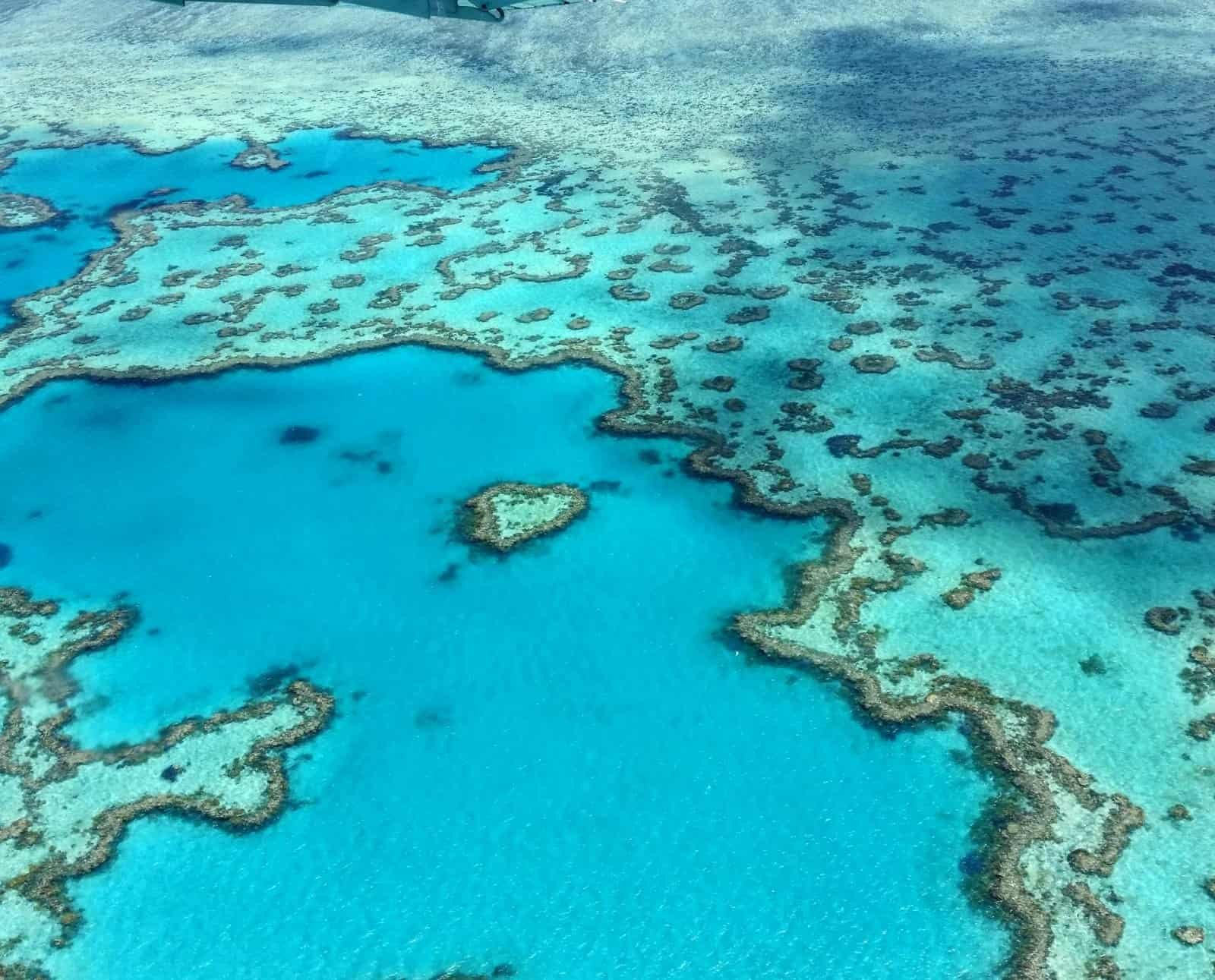
The Great Barrier Reef? It’s way more than some underwater rocks – it’s the biggest living thing on the planet, visible even from space! The diversity is mind-boggling: more than 1,500 kinds of fish, around 600 corals, critters glowing in colors you’d never believe.
Since this place ranks among Earth’s most fragile natural wonders, we should treat it with real attention.
To see the reef without harming it, pick tour guides that have proper eco-certifications. Port Douglas offers a perfect balance of access to amazing reef sites while being less crowded than Cairns. If you want something different, try Lady Elliot Island – snorkeling starts right at the beach.
I won’t sugarcoat it – the reef faces existential threats from climate change, with rising ocean temperatures causing devastating coral bleaching. The Australian Marine Conservation Society estimates that the reef has lost over 50% of its coral cover since the 1980s.
Head there during the dry season, between May and October, when rainfall is lower. September and October typically offer the clearest waters for viewing these underwater natural wonders.
Victoria Falls
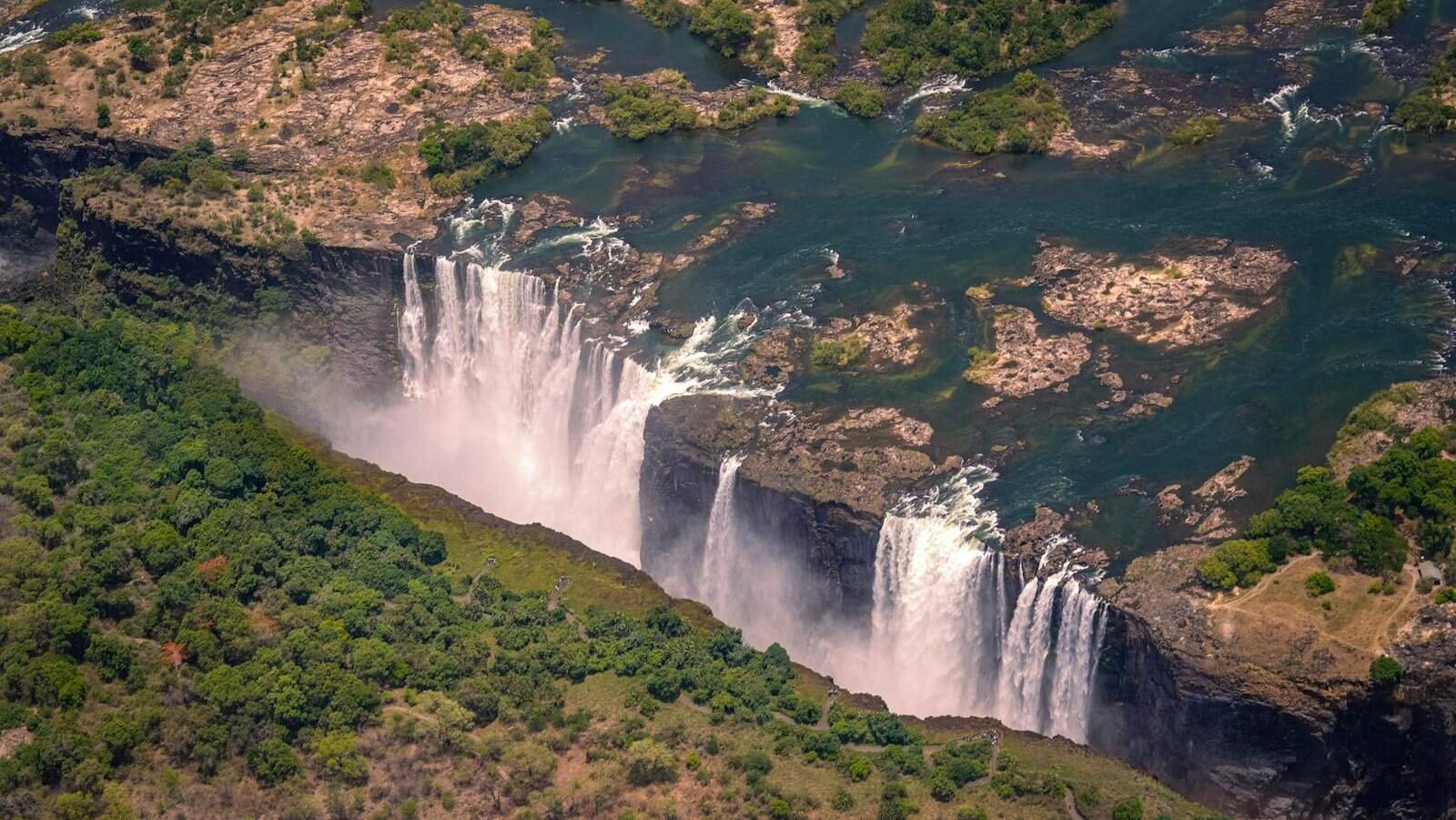
When you stand before Victoria Falls, you’ll feel the raw power of nature in a way you’ve never experienced before. Known locally as Mosi-oa-Tunya – “The Smoke that Thunders” – it will make perfect sense once you’re there.
The mist will rise hundreds of feet into the air, the roar will echo in your chest, and you’ll understand why it’s one of the most powerful natural wonders on Earth.
View the falls from either Zimbabwe or Zambia – ideally both sides. Zimbabwe offers more panoramic views, while Zambia provides the heart-stopping Knife-Edge Bridge.
Visit between February and May for spectacular water volume. Between September and December, the water level drops, revealing the full rock face and allowing access to Devil’s Pool – a natural infinity pool right at the edge of the falls.
Photography at the falls presents unique challenges due to constant spray. Bring waterproof camera gear and plenty of lens wipes!
Beyond just viewing the falls, consider a helicopter flight (called the “Flight of Angels”), white-water rafting below the falls, or a sunset cruise on the Zambezi above the falls. Each offers a completely different perspective.
Mount Everest Base Camp
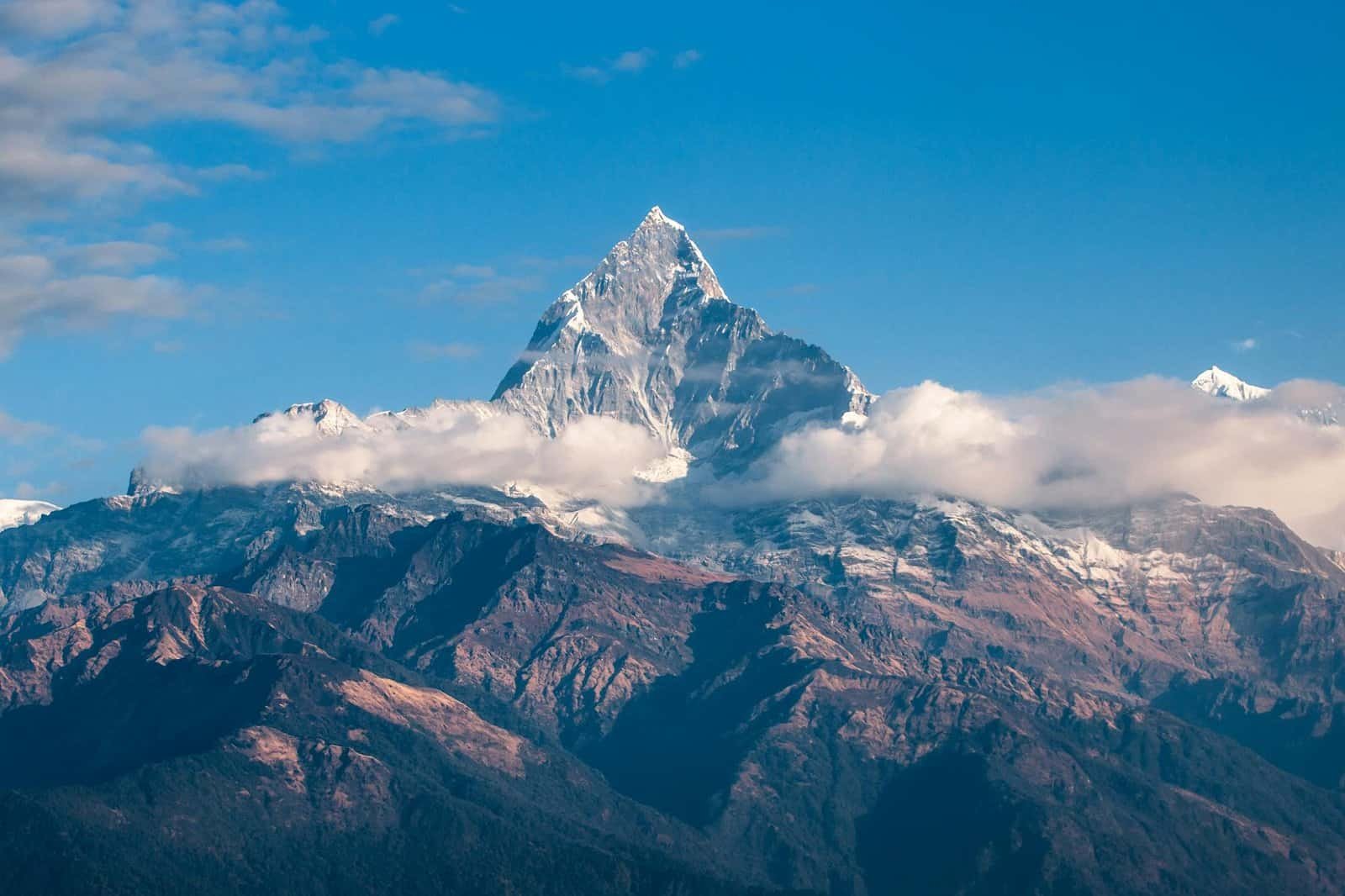
Look – climbing Everest’s top isn’t on my radar, not even once. But hiking to Base Camp? Now that feels like another story entirely. It gives you the real essence of Everest minus the life-on-the-line risks or sky-high costs of going all the way up.
Getting near these massive peaks changes how you see things, shifts something deep inside.
The hike lasts roughly two weeks round trip, slowly gaining elevation up to around 17,600 feet. It’s tough on the body, yet doable for anyone fairly active – assuming they get ready ahead of time.
Head out before the rains start (March to May) or right after they end (Sept to Nov). Skies tend to be clearest in Oct and Nov.
If you want Everest views without the full trek commitment, consider flying to the Tengboche Monastery or taking a scenic flight from Kathmandu. From Kala Patthar, you see Everest more fully compared to Base Camp, making it the perfect vantage point for these Himalayan natural wonders.
The environmental impact of tourism on the Everest region is significant. The “Garbage Trail” nickname Everest once earned has improved thanks to cleanup efforts, but waste management remains a challenge.
The Maldives Atolls
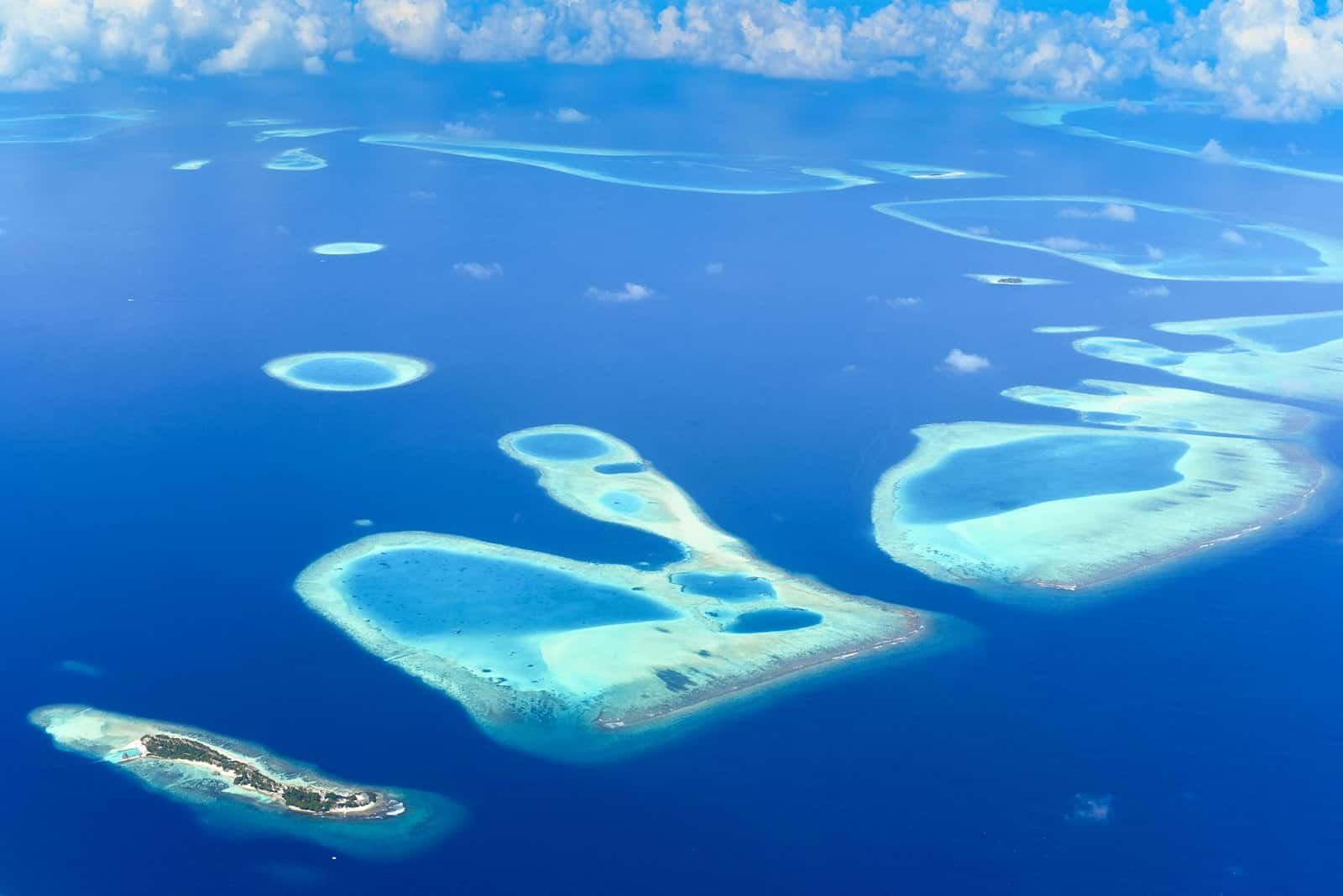
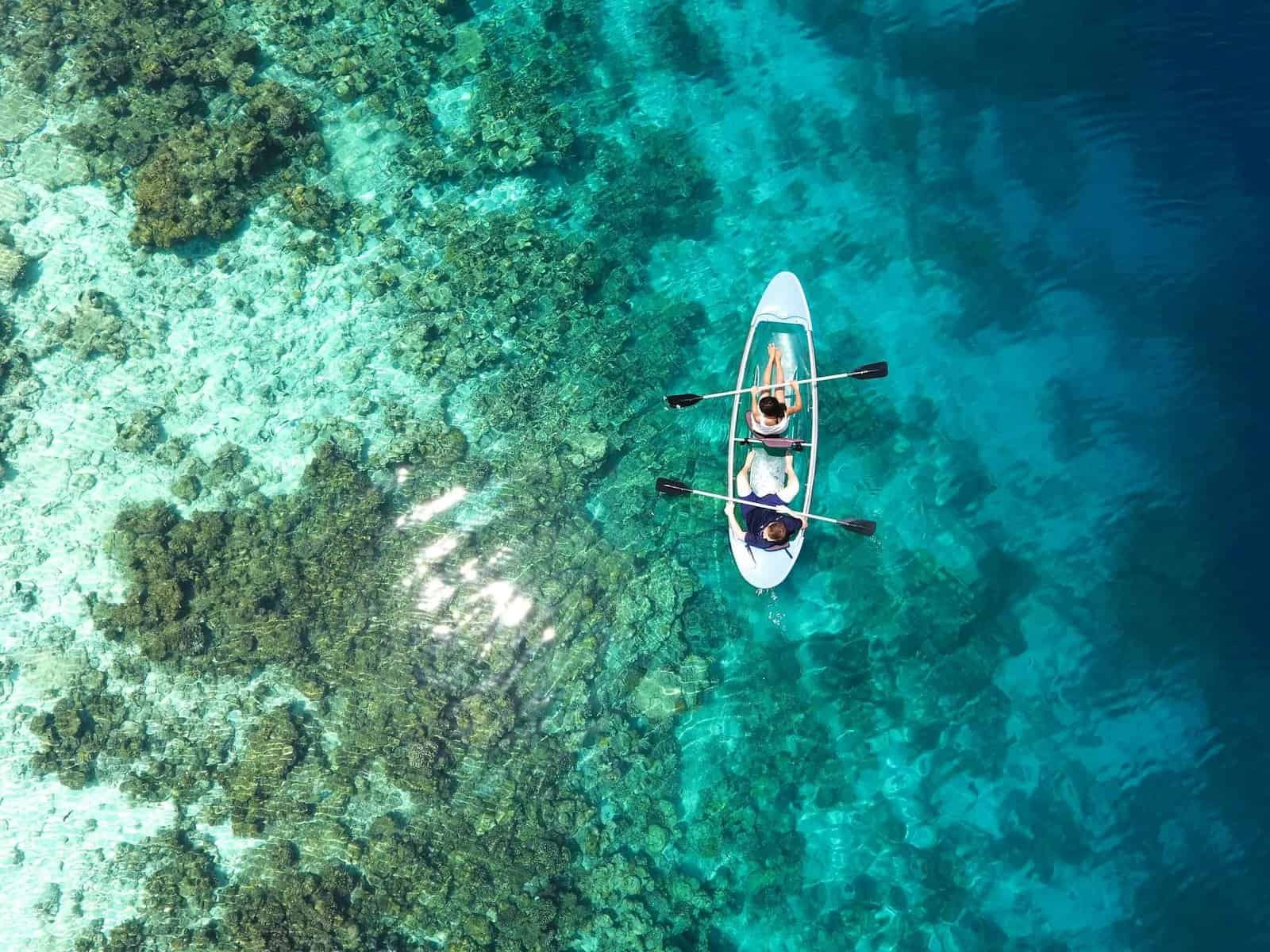
The first time I flew over the Maldives, I pressed my face against the plane’s window like a child and just stared. From up there, things looked unreal – countless small coral island across impossibly blue water like emeralds on silk. But it wasn’t until I stepped into the water that I truly understood why these atolls rank among the world’s most mesmerizing natural wonders.
The Maldives is made up of 26 ring-shaped atolls, built on ancient sunken volcanoes. These formations hold vibrant coral systems full of ocean creatures around bright blue lagoons. From my private island spot, I’d jump into the ocean anytime – floating near mantas, turtles, even small sharks, thanks to visibility that stretched nearly a hundred feet all around.
What sets the Maldives apart? It’s the sense of being surrounded by endless ocean.
Standing on a sandbar, you look around – just waves everywhere – and suddenly there’s this quiet aloneness, something words can’t quite describe.
Head there from November through April if you want ideal weather during the dry season. I went in September, yet each day turned out flawless anyway.
Remember this – rising oceans put the Maldives at serious risk – it sits only about 1.5 meters above water on average, making it one of the most vulnerable natural wonders to climate change.
Paricutin Volcano
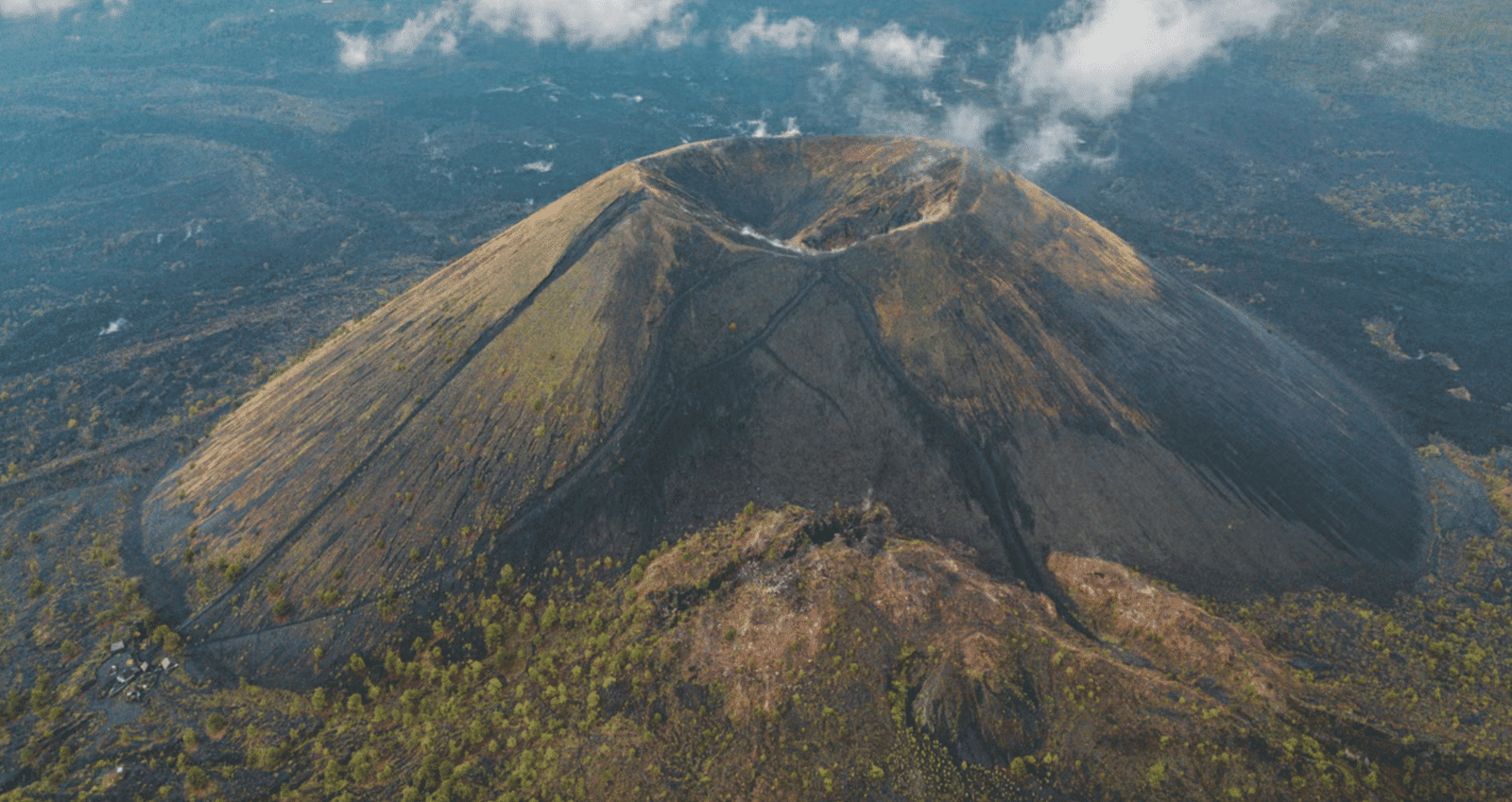
Paricutin holds a distinction unlike any other natural wonders on this list – it’s the only volcano whose entire life cycle was witnessed by humans.
In 1943, a Mexican farmer watched as his cornfield literally cracked open and began spewing ash and rocks. Within a year, the volcano had grown to 1,100 feet tall!
Today, you can visit Paricutin on a day trip from nearby towns. The most popular approach involves a horseback ride from Angahuan followed by a hike. It’s moderately challenging but doesn’t require special skills or extreme fitness.
The most haunting aspect is seeing the church of San Juan Parangaricutiro, partially buried by lava flows, with only its tower visible above the hardened black rock.
For photography, Paricutin Volcano itself is the true highlight – its dark slopes and rugged lava fields glow dramatically in the golden hour light, creating otherworldly textures and contrast. While less internationally famous than other natural wonders, Paricutin’s unique origin story makes it especially worth including on your bucket list.
Bioluminescent Bays
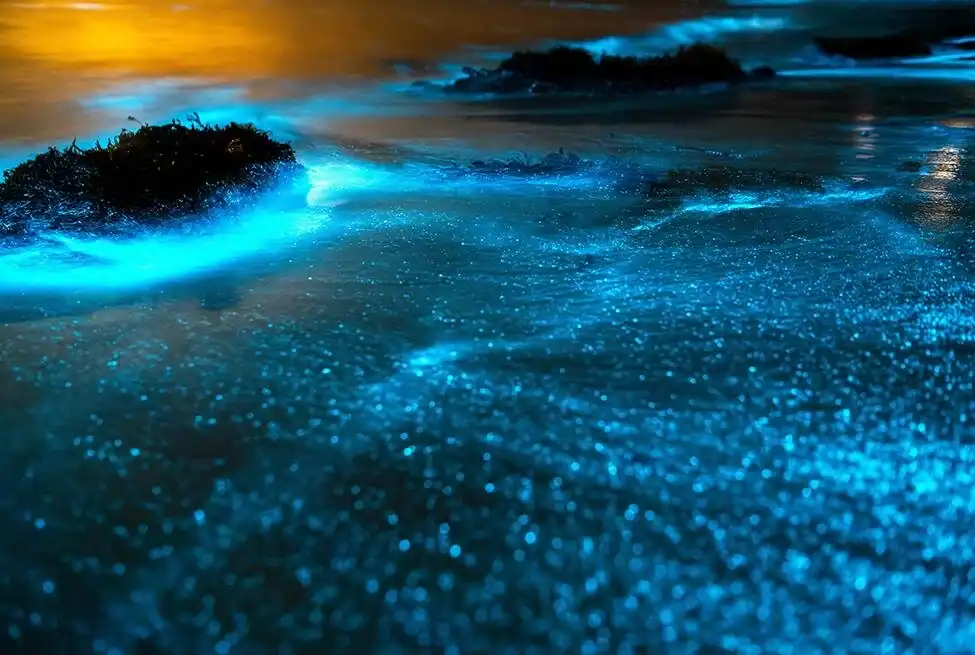
Kayaking through a bioluminescent bay feels like stepping into a fantasy world. Each paddle stroke created blue-green swirls of light, and fish darting beneath our boat left trails like underwater comets.
It’s pure magic – one of the most ethereal natural wonders you can experience.
This phenomenon is created by microscopic organisms called dinoflagellates. When disturbed by movement, they emit a brief flash of blue-green light. Top locations include Mosquito Bay in Vieques, Puerto Rico (considered the brightest in the world), Luminous Lagoon in Jamaica, and Bioluminescent Beach in the Maldives.
For the best experience with these luminous natural wonders, visit during a new moon when skies are darkest. Summer months typically show brighter bioluminescence due to warmer water temperatures.
Photography is extremely challenging – I’d recommend leaving the camera behind and simply being present in the experience. If you must shoot, you’ll need long exposures (30+ seconds) and high ISO settings.
Antelope Canyon
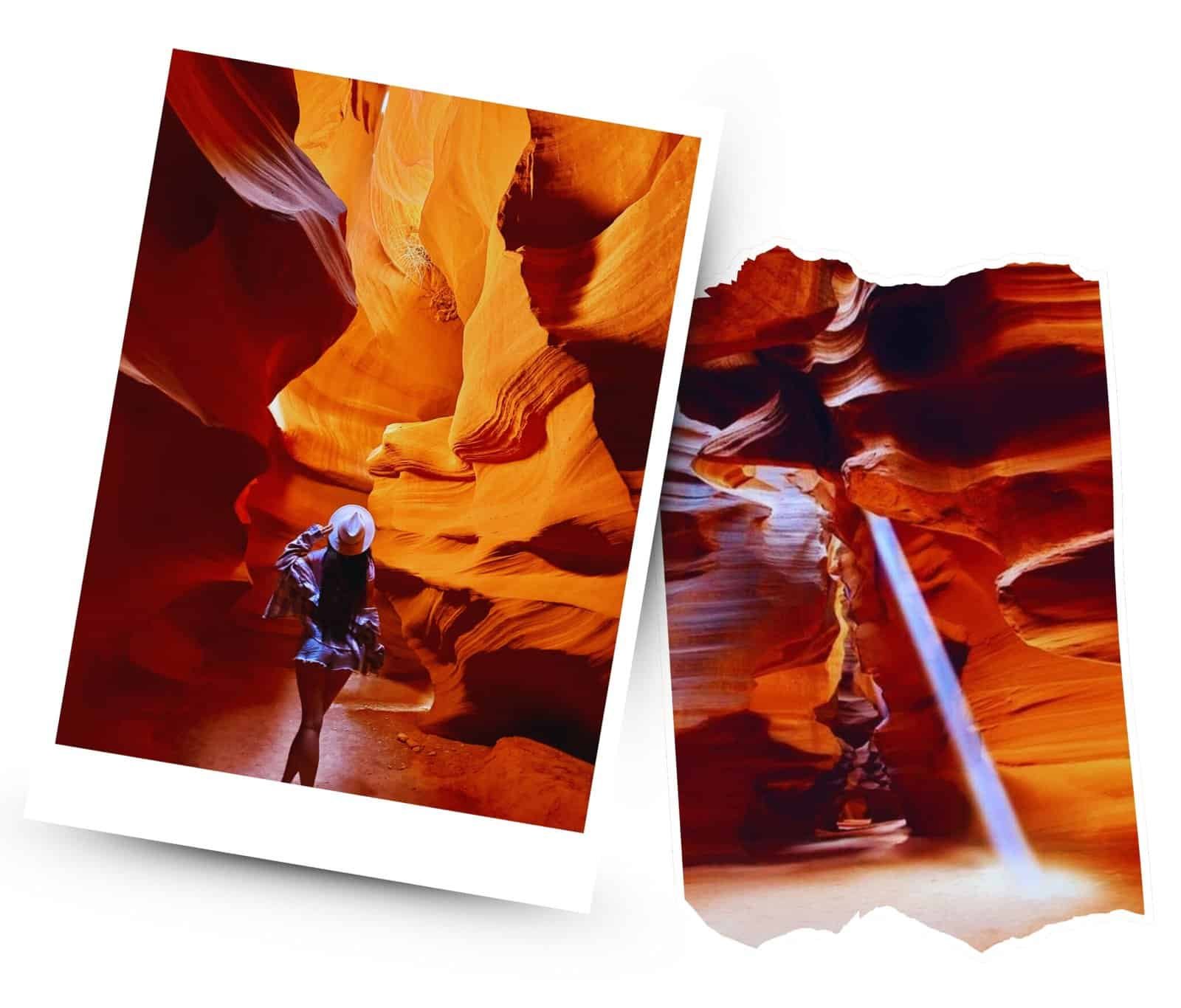
Walking into Antelope Canyon feels like stepping into another world. Curved, rippling rock walls twist upward all around, shaped in ways that seem unreal, yet there they are – solid and silent. Sunlight slices down from cracks overhead, cutting through shadows with sharp golden streaks.
I’ve seen plenty of narrow canyons before, though nothing matches how this one looks carved by some unseen hand.
These geological natural wonders are absolutely mesmerizing.
Near Page, Arizona sits Antelope Canyon – split into two parts called Upper and Lower. Upper is more famous for its light beams, especially at noon in warm-weather months. Access is strictly controlled by the Navajo Nation, and you must visit with an authorized guide to experience these sacred natural wonders.
The iconic light beams occur around late March till early October, while the boldest ones usually pop between mid-April and early September, anytime from 10 in the morning to 1 o’clock. I visited in late August and was fortunate to see several stunning beams cutting through the dust.
Most guides now offer “photographer tours” that allow tripods and provide more time at key locations.
Flash floods can kill. In 1997, eleven tourists died when a flash flood swept through Lower Antelope Canyon. Today, sophisticated monitoring systems are in place, and tours are canceled when rain threatens these delicate natural wonders.
Antarctica’s Ice Shelves
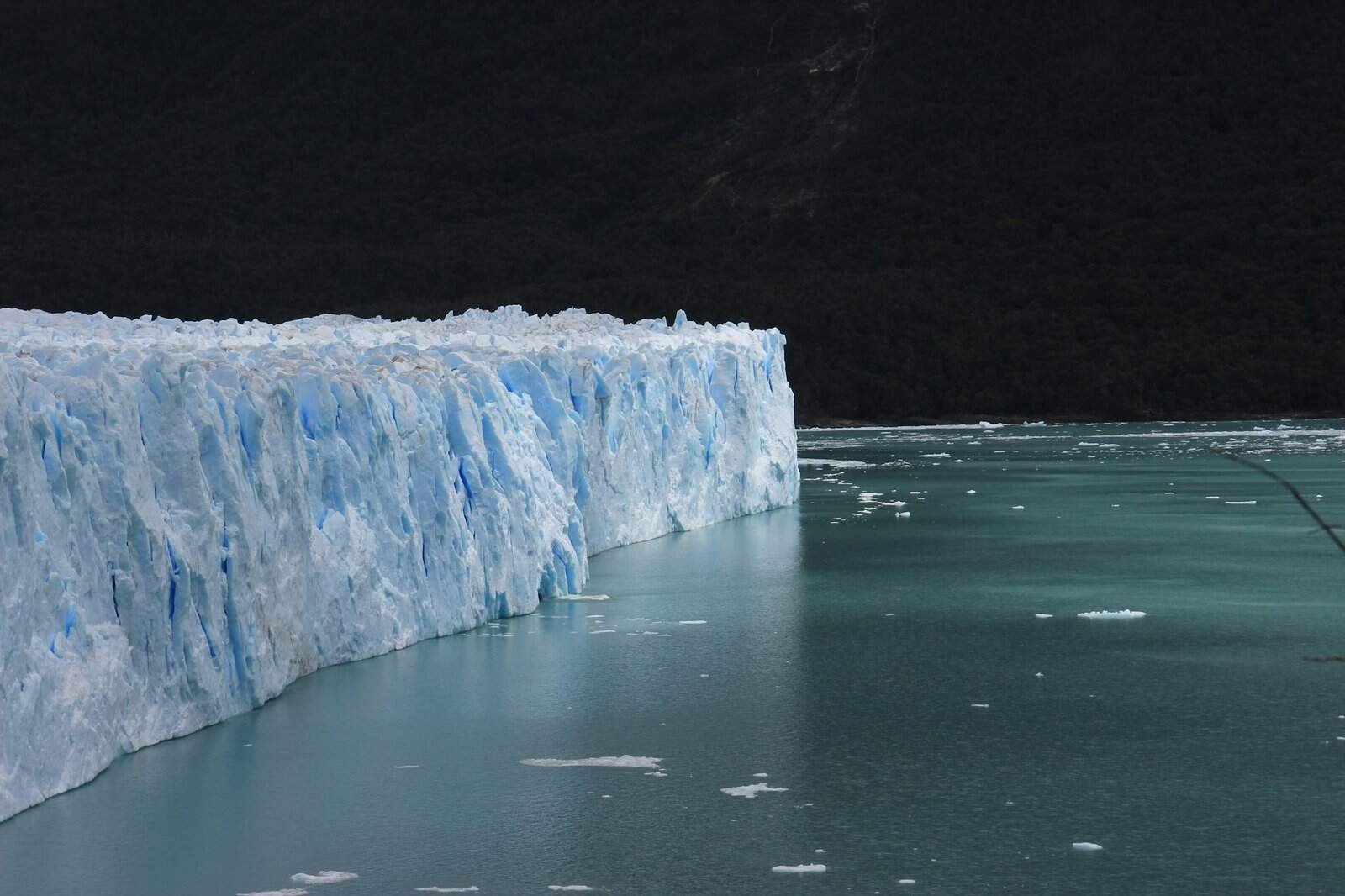
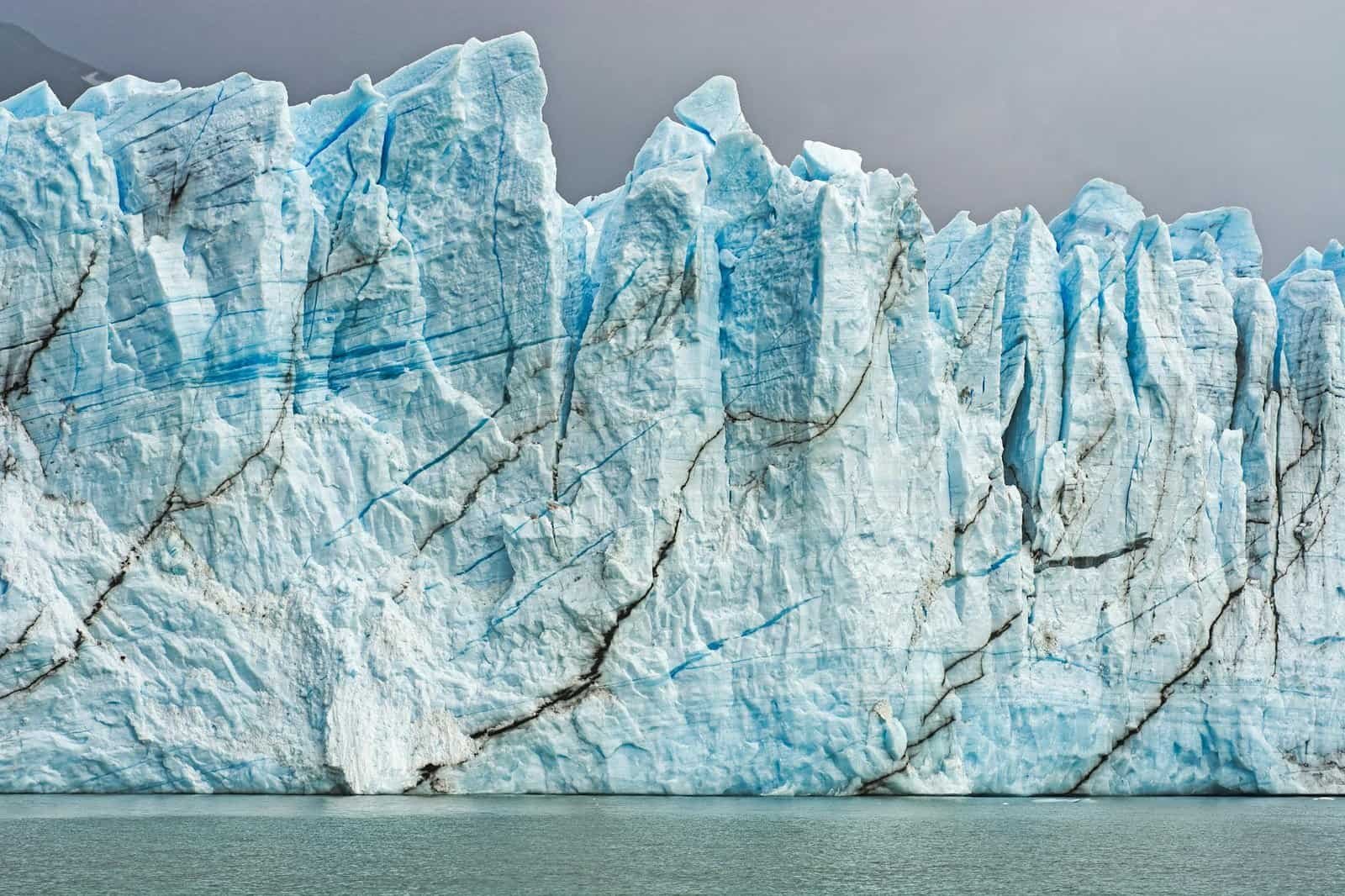
Antarctica will feel like the most otherworldly place you’ve ever been. Standing on the Antarctic Peninsula, you’ll watch massive ice shelves calve into the ocean with a thunderous roar, and it’ll feel as if you’ve stepped onto another planet.
The scale, isolation, and pristine quality make Antarctica’s ice shelves some of the most remote natural wonders on Earth.
Antarctica is home to about 90% of Earth’s ice.
The only way to visit these polar natural wonders is via expedition cruise or specialized air tour. Most visitors travel on small expedition ships from Ushuaia, Argentina, crossing the Drake Passage before spending 4-7 days exploring the Antarctic Peninsula. More expensive air-cruise options can skip the rough sea crossing.
The expedition season runs from November to March. Early season features pristine snow and massive icebergs, while late season offers better wildlife viewing.
What makes Antarctica truly special is its isolation and pristine nature – fewer people have visited these frozen natural wonders than have climbed Mount Everest.
Photography in Antarctica presents unique challenges. The extreme brightness of ice and snow can fool camera meters, while condensation forms rapidly when moving between the warm ship and cold exterior. Bring spare batteries (cold drains them quickly) and plenty of storage – you’ll take more photos than you expect!
Planning Your Natural Wonders Bucket List Journey
Once you’ve seen these natural wonders up close, you’ll get why getting things sorted ahead of time really matters. Budget strategically by linking spots whenever you can. For instance, pair the Grand Canyon with Antelope Canyon in a single trip. That trip to Antarctica? Probably the priciest – cruise trips kick off near $5000. Seeing the northern lights though? Fits way more wallet sizes.
Pick spots that are most at risk – places such as the Great Barrier Reef or Maldives could change fast due to warming, while older landscapes like the Grand Canyon will remain relatively unchanged. Consider seasonal timing carefully; I once showed up somewhere during off months and totally missed what makes it special.
When you visit fragile natural wonders, let eco-friendly travel shape your decisions. Pick tour companies that truly care about nature instead of just talking about it. Stick to rules in delicate zones without cutting corners. Think about balancing flight emissions if you’re flying far.
For photography, gear up according to where you’re headed. You’ll need a solid tripod for shooting the aurora borealis clearly. On watery adventures near places like reefs or Victoria Falls, a sealed waterproof case helps keep your kit safe and shots sharp.
Conclusion
These ten natural wonders represent the most extraordinary phenomena our planet has to offer. Not just the glowing swirls of the Aurora Borealis, but also the timeless depth of the Grand Canyon – equally mind-blowing. One moment you’re staring at a coral sea bursting with color, then suddenly it’s endless ice, silent and untouched down south. Every single place hits different, no repeats.
It’s been more than ten years since I began chasing these wild natural sights. The views and lessons along the way made all the hassle pay off. Pick the one that hits home first – maybe it’s the powerful rush of Victoria Falls, or maybe it’s pushing through tough trails just to reach Everest Base Camp.
Keep in mind – since we’re stepping into amazing natural wonders, it’s on us to keep them safe. Support conservation efforts, stick to the rules set out, while telling your story so others care more about saving spots instead of rushing to snap photos. What natural wonder will you check off first?